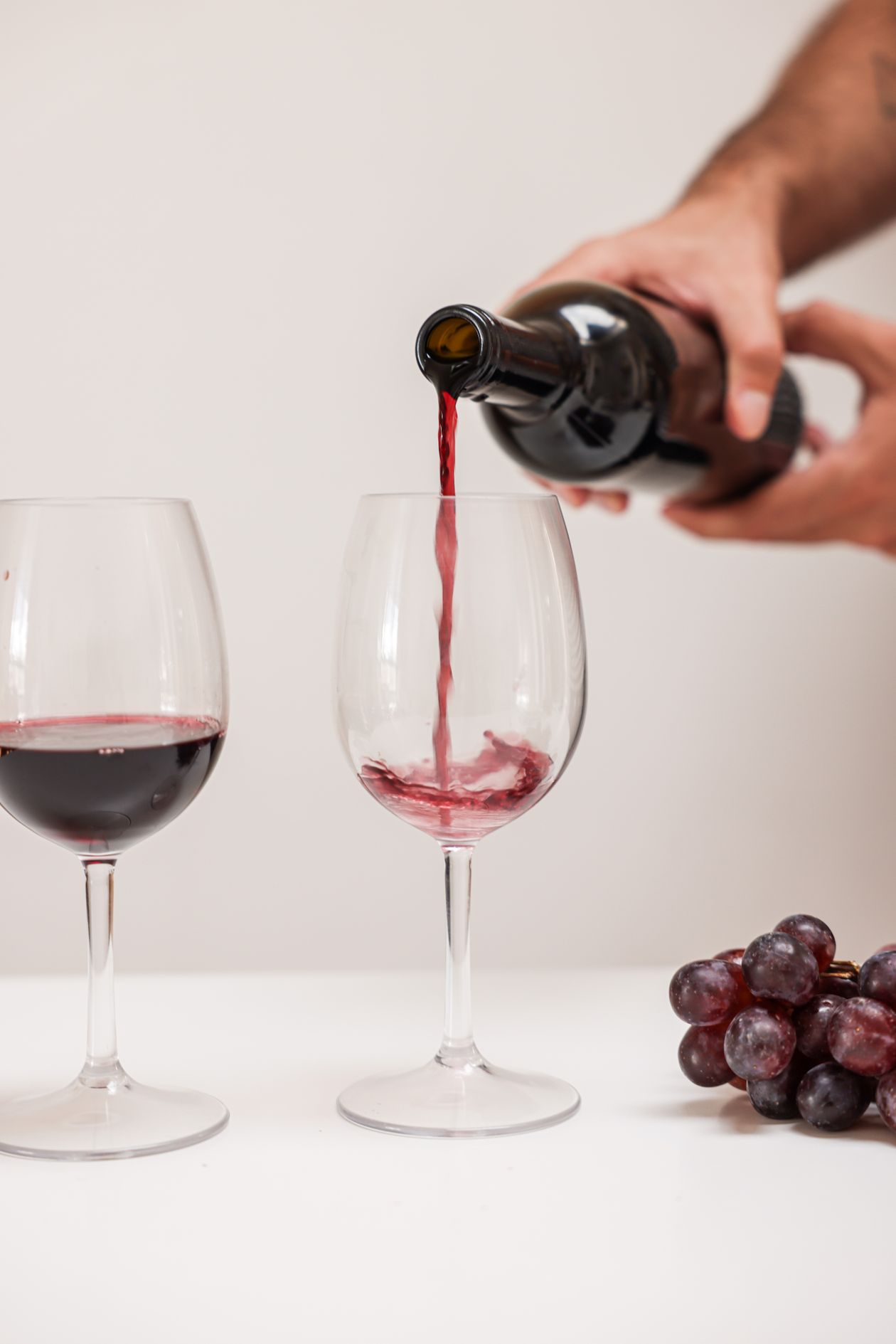
Every bottle is a time capsule: one year of weather, one hillside of soil, and several thousand years of human habit. Pour a glass with us and travel backward through the layers.
From amphora to oak
Long before glass, wine travelled in clay amphorae sealed with pine resin — a practice that survives today in Georgia's qvevri wines. The Romans industrialized the trade with wooden barrels, and coopers have been bending oak around wine ever since. Our own barrel hall holds French and American oak side by side, a quiet argument between continents that the wine eventually settles.
Why the bottle looks like that
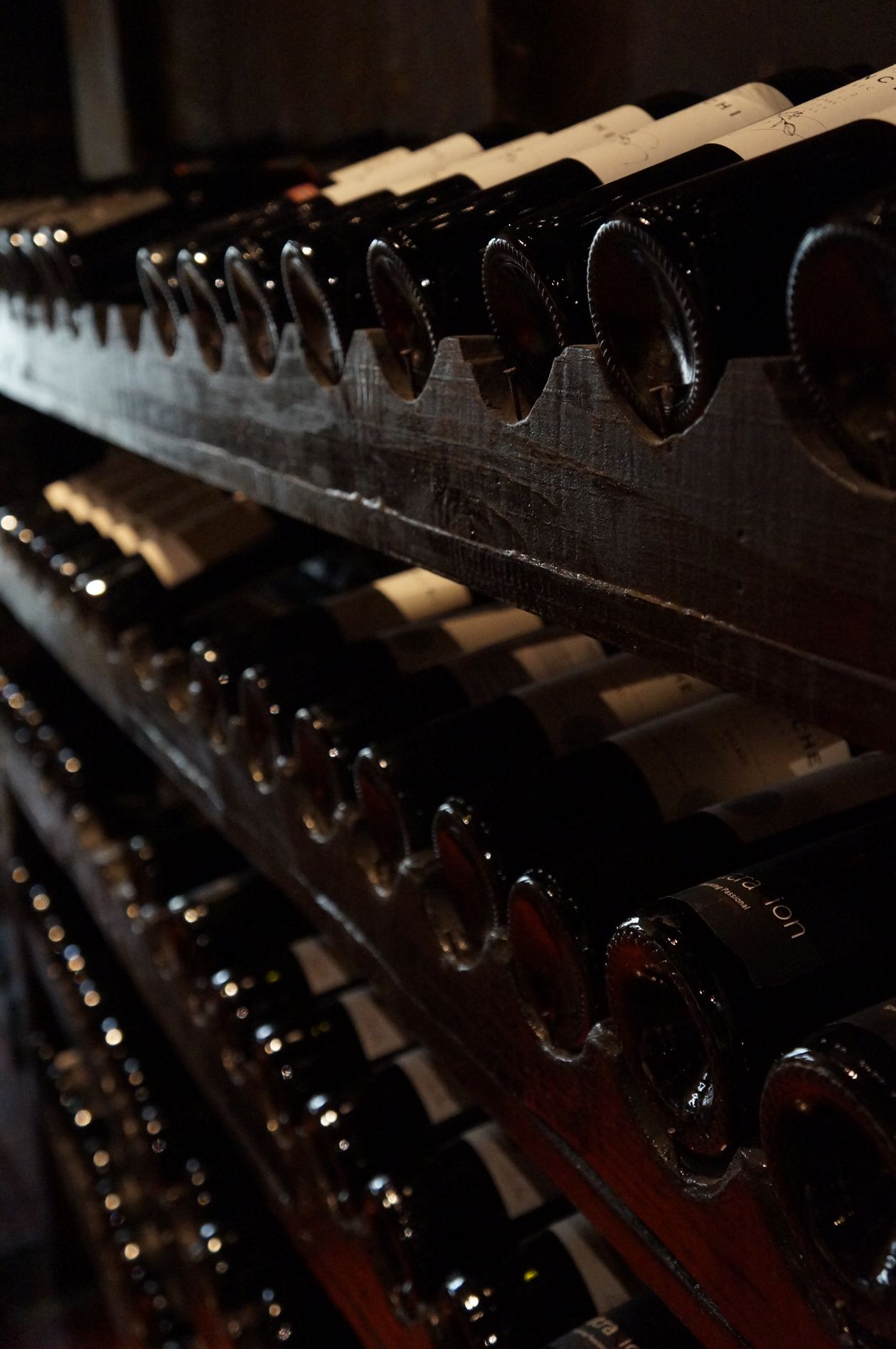
The high-shouldered Bordeaux bottle exists to catch sediment when pouring old reds; the sloping Burgundy shoulder comes from a region that drank its wines young. Even the punt — the dimple in the base — began as a glassblower's solution and stayed as a mark of sturdy craft.
When you hold a bottle, you hold the accumulated answers to ten thousand practical questions asked by people who are gone.
The cork's long reign
A single Portuguese cork oak can be stripped every nine years for two centuries without harm, and each cork lets in just enough oxygen to let a red wine evolve. Screw caps and glass stoppers have their place, but for wines built to age — our Crimson Reserve, our Terrasip — only cork breathes at the right pace.
Vintages are diaries
Ask any grower about a year and you will hear weather first: the cool 2019 that gave us perfume, the heat spike of 2022 we picked through at dawn. The vintage date is the shortest story on the label and the truest — a year you can taste.
Your glass joins the line
The next time you pour, remember you are the latest participant in an unbroken chain stretching back eight millennia. Drink attentively; history tastes better that way.

Nora Bennett
Wine historian & tasting-room host
Writing from the estate tasting room, where the kettle is always on and the barrel hall is never far.
Keep Reading
July 28, 2025
What Makes an Award-Winning Wine Label
July 28, 2025